Propensity Score Matching and Marketing: A Scientometric Study, Tree of Science Analysis, and Research Perspectives
Propensity Score Matchingy marketing: estudio cienciométrico, árbol de la ciencia y perspectivas de investigación
 PDF
Received: May 5, 2026
Accepted: February 28, 2026
Moyano-Londoño, G. A., Hernández, J. E., & Pava Idárraga, M. A. (2026). Propensity Score Matching and Marketing: A Scientometric Study, Tree of Science Analysis, and Research Perspectives. Revista CEA, 12(29), e3479. https://doi.org/10.22430/24223182.3479
Abstract
Objective: This study aimed to analyze the evolution of scientific production; collaboration networks; and seminal, structural, and recent studies, as well as future research perspectives on the use of Propensity Score Matching (PSM) in marketing.
Design/Methodology: A total of 417 documents were retrieved from the Scopus and Web of Science databases and then analyzed using Bibliometrix, Tree of Science, and Gephi. To ensure reproducibility and transparency, elements of the PRISMA 2020 statement were applied throughout the study.
Findings: Scientometric mapping indicated a steady increase in academic output since 2012, with the United States, China, and Germany leading in the number of publications. Furthermore, the analysis revealed three main clusters: (i) the measurement of impact on marketing contracts and crop productivity, (ii) consumer behavior and business planning, and (iii) effect evaluation. In addition, key driving topics were identified, including risk marketing and consumer behavior.
Conclusions: The findings highlight PSM as an essential tool for evaluating marketing strategies. Moreover, its application across the identified clusters significantly reduces selection bias and enables more robust causal inferences in studies related to consumer behavior, organizational management, and rural development.
Originality: This study represents the first scientometric analysis combining Bibliometrix, Tree of Science, and Gephi to examine PSM in marketing research. Consequently, the approach provides a comprehensive characterization of the field’s development, revealing both impact measurement strategies and emerging research directions in marketing.
Keywords: consumer behavior, impact evaluation, marketing, propensity score matching, JEL codes: M31, L22, C10.
Highlights
Resumen
Objetivo: el objetivo de este estudio fue analizar la evolución de la producción científica, las redes de colaboración, los estudios seminales, estructurales y recientes, así como las perspectivas de investigación sobre el uso del Propensity Score Matching en el campo del marketing.
Diseño/metodología: el estudio se adelantó a partir de la recopilación de 417 documentos de las bases de datos de Scopus y Web of Science, los cuales fueron procesados con herramientas como Bibliometrix, Tree of Science y Gephi, y, para garantizar reproducibilidad y transparencia investigativa, se adoptaron elementos de la declaración prisma 2020.
Resultados: el mapeo científico permitió identificar un crecimiento sostenido de la producción académica desde 2012, liderado por Estados Unidos, China y Alemania. Por su parte, el análisis de la información reveló tres clústeres principales centrados en la medición de impacto sobre los contratos de comercialización y la productividad de los cultivos, el comportamiento del consumidor y la planificación empresarial, así como en la evaluación de efectos. Asimismo, se identificaron temas motores como el marketing de riesgo y la conducta del consumidor.
Conclusiones: esta investigación revela que el Propensity Score Matching es una herramienta esencial para la evaluación de estrategias de marketing. De igual forma, que su uso transversal en los clústeres analizados aporta significativamente a la reducción de sesgos de selección y permite generar inferencias causales más sólidas y confiables en estudios relacionados con el comportamiento del consumidor, la gestión organizacional y el desarrollo rural.
Originalidad: esta investigación es el primer estudio cienciométrico en el que se implementaron herramientas como Bibliometrix, Tree of Science y Gephi para analizar el uso del Propensity Score Matching en el campo del marketing, posibilitando la caracterización integral del desarrollo investigativo y revelando tanto estrategias de medición de impacto como perspectivas de investigación en el mundo del mercadeo.
Palabras clave: comportamiento del consumidor, evaluación de impacto, Marketing, Propensity Score Matching, Códigos JEL: M31, L22, C10.
Highlights
1. INTRODUCTION
Marketing and its influence on the decisions of economic agents have long been central topics in business practice and academic research (
In this regard, Propensity Score Matching (PSM) helps address these limitations by estimating the probability of receiving treatment based on observable characteristics and then matching individuals with similar propensity scores, thereby enabling more balanced comparisons. From a statistical perspective, PSM mitigates selection bias in observable variables by comparing outcomes between groups with similar profiles, even when the treatment has not been randomly assigned (
Against this backdrop, this paper aims to present the results of a scientometric study on PSM and marketing. To ensure transparency and reproducibility, elements of the Preferred Reporting Items for Systematic Reviews and Meta-Analyses (PRISMA) 2020 statement were applied (
The article contributes to the marketing field in two main ways. First, it offers a novel perspective, as no prior studies or reviews have examined the use of PSM in marketing from a scientometric standpoint using the tools applied here. Second, it helps identify the main research perspectives, as well as the strategies employed to assess impact within the field.
The rest of the paper is organized as follows. Section 2 outlines the methodology, detailing the procedures and tools used for data processing. Section 3 presents the results, including the scientific mapping, the Tree of Science for this research area, and the three main research perspectives identified. Finally, Sections 4 and 5 present the discussion and the main conclusions, respectively.
2. METHODOLOGY
The methodological approach was structured in two stages. The first stage, focused on scientific mapping, began—following the guidelines proposed by
Tabla 1. Parámetros de búsqueda
Parameters | Scopus | Web of Science |
Search strategy | ("marketing" OR "digital marketing" OR "consumer behavior") AND ("propensity score" OR "propensity score matching" OR "propensity score analysis") |
|
Search date | February 11, 2025 |
|
Period analyzed | 1999–2025 |
|
Document type | Articles, review papers |
|
Journal type | All types |
|
Search fields | Title, abstract, keywords |
|
Initial results | 325 | 291 |
Final results | 417 |
|
More specifically, the search strategy—run on February 11, 2025—initially identified 325 documents in Scopus and 291 in WoS. The period analyzed, spanning from 1999 to 2025, was defined by considering, on the one hand, the emergence of the earliest publications in the field and, on the other, the year in which this study was conducted. This approach ensures a comprehensive and up-to-date overview of the literature. For both databases, the search was limited to the title, abstract, and keywords fields. In addition, inclusion and exclusion criteria included the removal of duplicate records and the selection of documents based on type (articles and review papers), relevance to the field of study, and availability (open access). As a result, a final sample of 417 records was obtained.
Furthermore, to guarantee the reproducibility and transparency of the research process, elements of the PRISMA 2020 statement (
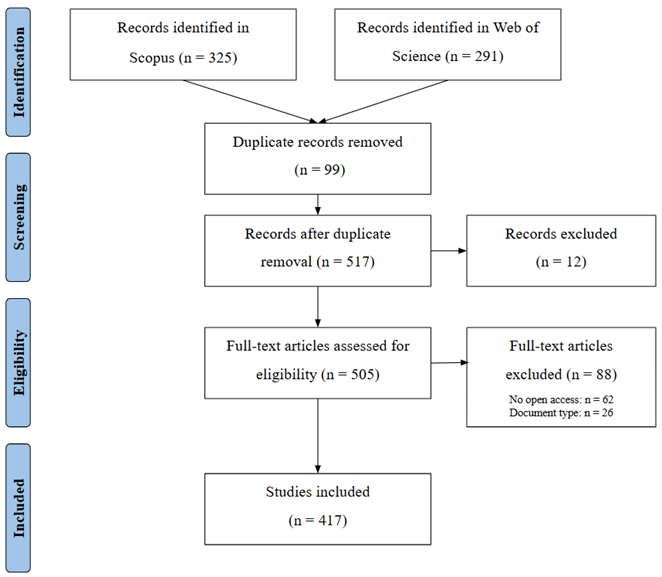
Figura 1. Diagrama de flujo de la declaración PRISMA
Source: Authors’ own work based on
Once the 417 records had been selected, two files containing the full bibliographic information—a .txt file and a .bib file—were exported from Scopus and WoS. These files were then uploaded and processed in Bibliometrix, a scientometric tool developed by
The second stage of the methodology centered on constructing the Tree of Science and identifying the main research perspectives, or clusters. The Tree of Science is a methodological approach that organizes bibliographic information using a tree-like structure. In this framework, seminal works are placed in the roots, structural studies in the trunk, and research subfields in the leaves (
Finally, research perspectives were identified through the construction of a bibliographic network, which was subsequently analyzed using Gephi, a software tool designed for the visualization of co-citation networks (
3. RESULTS
Scientific Mapping
The evolution of scientific output in the topics examined in this scientometric study is presented in Figure 2. As shown, the field has experienced steady growth over time, with a particularly marked increase beginning in 2012. Notably, 2024 stands out as the year with the highest number of publications, totaling 56. Moreover, the analysis of publication trends made it possible to identify several key patterns. Among these, it revealed an annual growth rate of 10.03 %. In addition, a substantial share of the literature—75.3 % of all studies—was published between 2017 and 2025 (up to February 11, the cutoff date for this study).
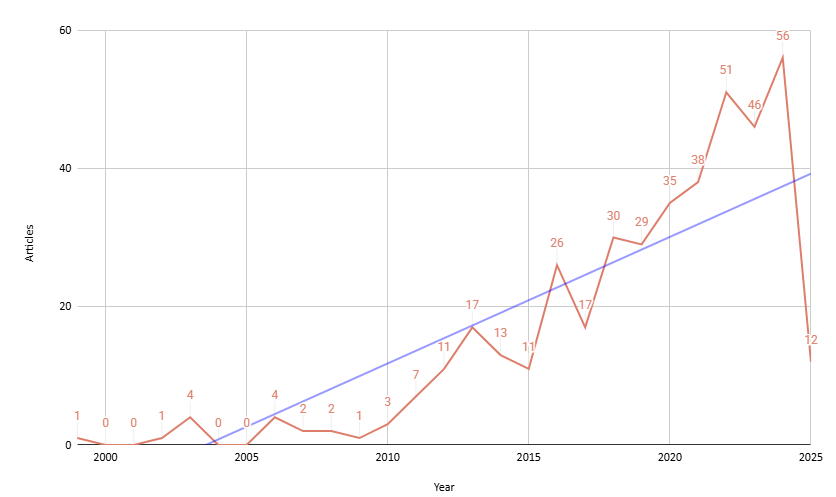
Figura 2. Evolución del número de publicaciones en el área
Source: Authors’ own work.
At the country level, the United States leads by a wide margin, with a total of 130 publications. It is followed by China and Germany, with 63 and 28 studies, respectively. Together, these three countries account for 53 % of global scientific output in this field. The top five is completed by Japan (20 publications) and Italy (15). In Latin America, Brazil is the leading contributor, with three publications identified. Figure 3 depicts a global heat map illustrating the countries with the highest number of publications in this field.
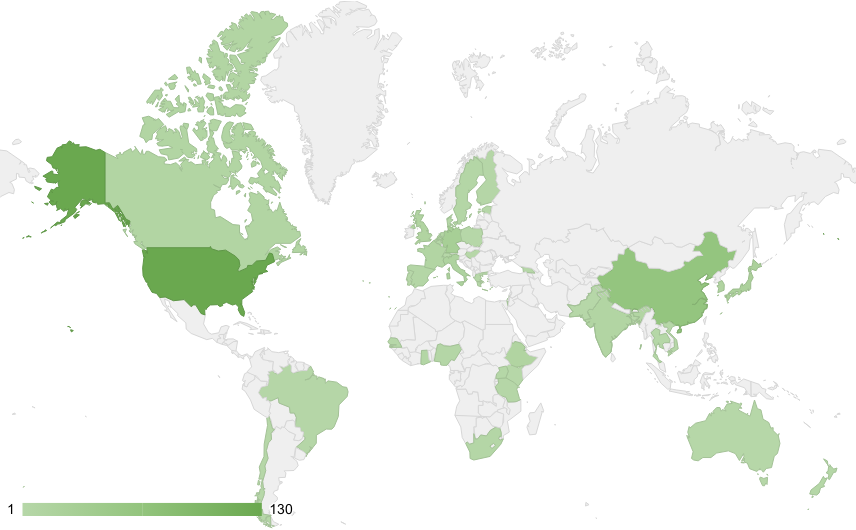
Figura 3. Países con mayor número de publicacione
Source: Authors’ own work.
Identifying the most productive authors in the field was also an important component of this study. As shown in Table 2, Schneeweiss S emerges as the leading contributor, with a total of 10 publications and 456 citations. He is followed by Gagne J and Rassen J, who have 7 and 5 publications, and 247 and 22 citations, respectively. In addition, Table 2 presents several bibliometric indicators that help assess the impact of scientific output. These include the H-index, G-index, and M-index, which measure, respectively, overall publication impact, highly cited works, and the relationship between citation count and the length of an author’s research career. The table also reports the year in which each author began publishing.
Tabla 2. Autores con mayor número de publicaciones
No. | Author | NP | TC | H-index | G-index | M-index | PYS |
1 | Schneeweiss S | 10 | 456 | 9 | 10 | 0.4736842105 | 2007 |
2 | Gagne J | 7 | 247 | 7 | 7 | 0.4666666667 | 2011 |
2 | Rassen J | 5 | 222 | 5 | 5 | 0.3125 | 2010 |
4 | Wang S | 5 | 142 | 5 | 5 | 0.625 | 2018 |
5 | Galgani S | 4 | 165 | 4 | 4 | 0.2857142857 | 2012 |
6 | Gasperini C | 4 | 165 | 4 | 4 | 0.2857142857 | 2012 |
7 | Prosperini L | 4 | 165 | 4 | 4 | 0.2857142857 | 2012 |
8 | Wang R | 4 | 644 | 4 | 4 | 0.3636363636 | 2015 |
9 | Wang X | 6 | 57 | 4 | 6 | 0.3333333333 | 2014 |
10 | Xu Y | 6 | 72 | 4 | 6 | 0.4 | 2016 |
NP: Number of publications; TC: Total of citations; PYS: Publication year start.
Table 3, for its part, lists the institutional affiliations associated with the highest number of publications in this field. With the exception of Capital Medical University (China) and Karolinska Institutet (Sweden), all institutions in the ranking are based in the United States, which evidences the dominant role of this country in the production of research on this topic.
Tabla 3. Afiliaciones institucionales con mayor número de publicaciones
No. | Affiliation | Publications | Country |
1 | Harvard University | 77 | United States |
2 | Capital Medical University | 15 | China |
2 | Brigham and Women's Hospital | 13 | United States |
4 | University of California | 13 | United States |
5 | University of Washington | 13 | United States |
6 | Us Food and Drug Administration | 13 | United States |
7 | University of North Carolina at Chapel Hill | 12 | United States |
8 | Karolinska Institutet | 10 | Sweden |
9 | Northwestern University | 10 | United States |
10 | University of California | 10 | United States |
United States’ strong presence in the field is also reflected in the journals that most frequently publish research in this area. Table 4 shows the scientific journals with the highest number of publications, with eight of the top ten journals based in the United States. The exceptions are Pharmacoepidemiology and Drug Safety and Sustainability, published in the United Kingdom and Switzerland, respectively, each with six articles. The ranking, however, is led by PLOS One, a Q1 journal with an H-index of 435, which accounts for 12 publications. It is followed by the Journal of Marketing and Marketing Science, with 10 publications each and H-indices of 284 and 153, respectively. In addition, Table 4 reveals that, with the exception of the Journal of Biopharmaceutical Statistics (Q2), all journals in the ranking are classified within the top quartile (Q1).
Tabla 4. Revistas científicas con mayor número de publicaciones
No. | Journal | Publications | Quartile | H-index | Country |
1 | PLOS One | 12 | Q1 | 435 | United States |
2 | Journal of Marketing | 10 | Q1 | 284 | United States |
2 | Marketing Science | 10 | Q1 | 153 | United States |
4 | Journal of Business Research | 7 | Q1 | 265 | United States |
5 | Pharmacoepidemiology and Drug Safety | 6 | Q1 | 109 | United Kingdom |
6 | Sustainability | 6 | Q1 | 169 | Switzerland |
7 | Information Systems Research | 5 | Q1 | 185 | United States |
8 | Journal of Biopharmaceutical Statistics | 5 | Q2 | 56 | United States |
9 | Journal of the Academy of Marketing Science | 5 | Q1 | 207 | United States |
10 | Management Science | 5 | Q1 | 290 | United States |
The bibliometric analysis also made it possible to identify the most highly cited documents in the field of marketing and PSM. The most cited article is “Estimation and Inference of Heterogeneous Treatment Effects Using Random Forests” by
Overall, the most-cited papers—as observed in Figure 4—tend to focus on topics such as consumer behavior in marketing contexts, online shopping, the evaluation of advertising campaign effectiveness, the use of personalized recommendations, and the analysis of data derived from social media, transactions, and surveys.
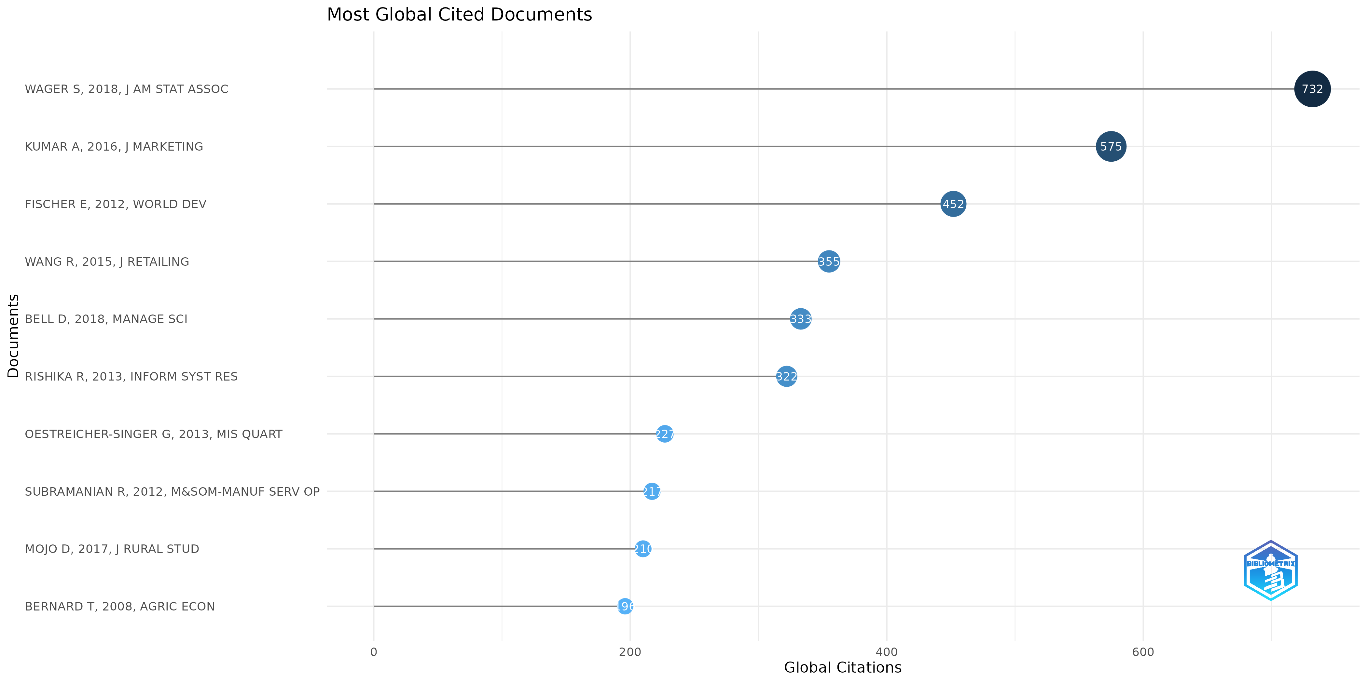
Figura 4. Documentos más citados globalmente
Source: Authors’ own work based on
Figure 5, for its part, depicts the main global collaboration networks. The United States ranks first, with research partnerships involving 26 countries, followed by the United Kingdom and Germany, with 17 and 15 international collaborations, respectively. Notably, the United States maintains strong collaborative ties with countries such as China (11 collaborations), the United Kingdom (10), Germany (9), and Canada (8). Germany also shows significant cooperation with the Netherlands (7), the United Kingdom (5), and Canada (5). In total, the analysis identified 143 collaboration networks.
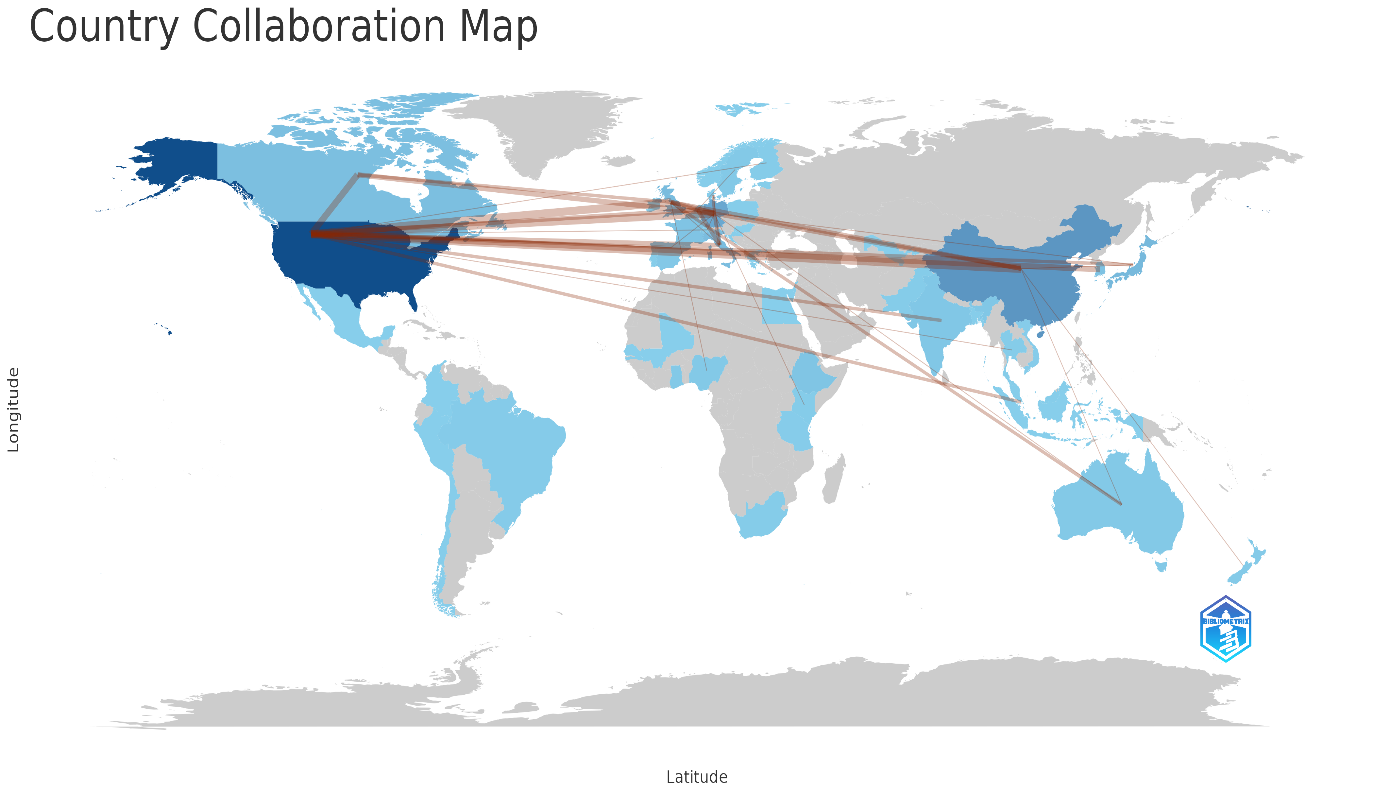
Figura 5. Mapa mundial de colaboraciones
Source: Authors’ own work based on
Figure 6 presents the thematic map of this field of study. The map is organized into four quadrants, which classify research topics according to their level of development and relevance. Specifically, topics are categorized as emerging or declining themes (low development and low relevance), niche themes (high development but low relevance), basic themes (high relevance but low development), and motor themes (both highly developed and highly relevant).
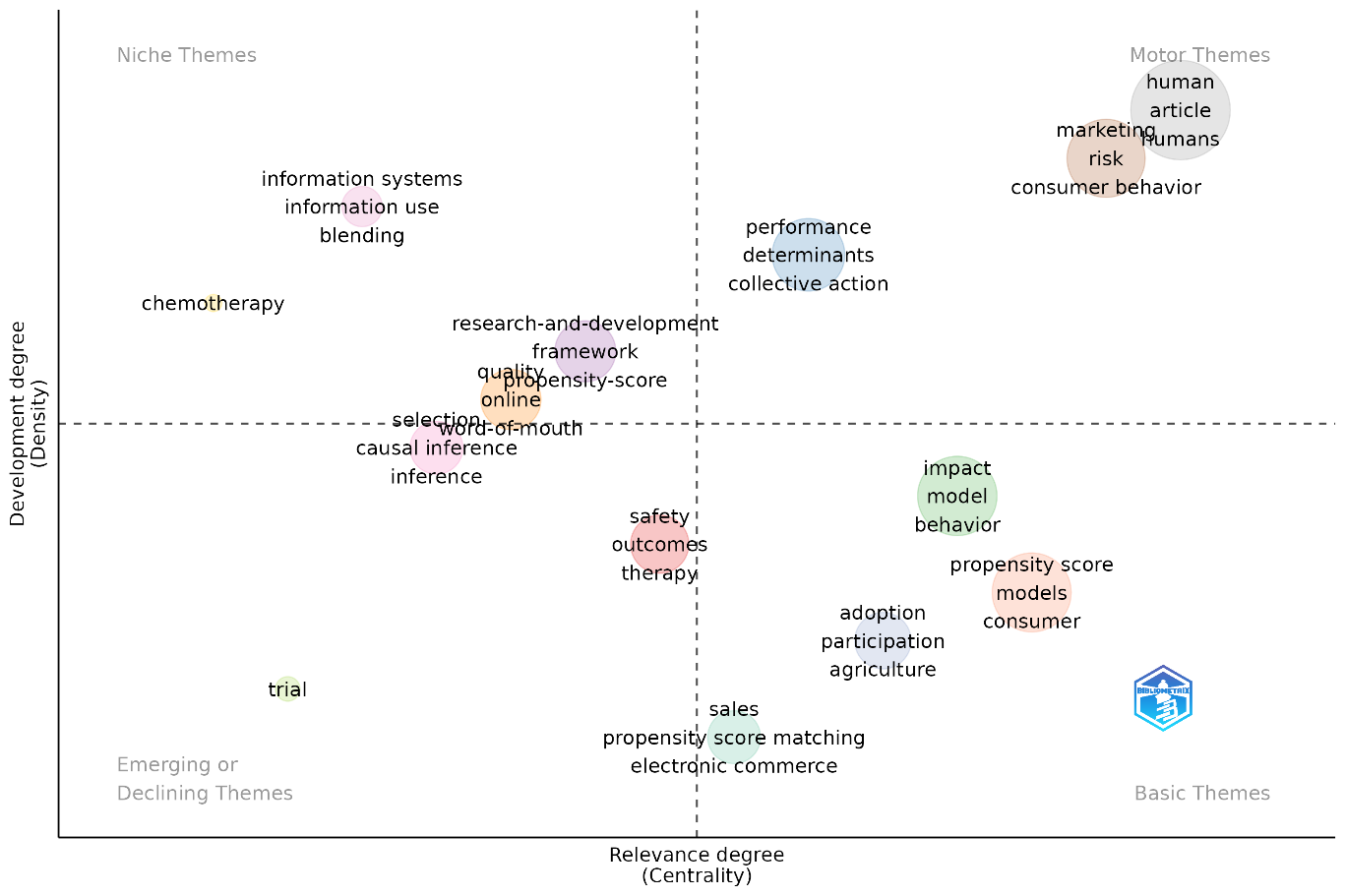
Figura 6. Mapa temático
Source: Authors’ own work based on
The analysis shows that the most prominent motor themes are those related to risk marketing and consumer behavior. For their part, key niche themes include information systems and the combination of marketing strategies. Regarding basic themes, e-commerce and consumption models stand out as central. Finally, emerging themes are primarily associated with outcomes in healthcare marketing.
Propensity Score Matching (PSM)
PSM is an econometric technique used to estimate the impact of interventions in settings where an experimental control group is not available. When assessing the effect of a given measure—such as a social program, medical treatment, or advertising campaign—on a specific outcome (e.g., an economic indicator, a health condition, or company sales), it is not enough to simply compare those who received the intervention with those who did not. The two groups may differ substantially from the outset.
Under ideal conditions, causal relationships are identified through randomized experiments. However, implementing such designs in real situations is often difficult due to ethical, logistical, or financial constraints. To address this challenge,
Given its versatility, PSM was initially widely adopted in the field of medicine, where it has been applied to evaluate the long-term effects of specific medications (
In the field of marketing, PSM is frequently used to evaluate the effectiveness of commercial strategies, loyalty programs, advertising campaigns, and segmentation decisions. This is particularly relevant when working with data from Customer Relationship Management (CRM) systems, digital platforms, or transactional databases. In such cases, results are obtained by comparing the performance of a group exposed to a marketing intervention with that of a matched control group, constructed to ensure similarity in observable characteristics.
Nevertheless, it is important to note that PSM presents several methodological challenges that may affect the results. These include the presence of unobserved factors, imperfect matching, potential loss of information during the matching process, and the need for large sample sizes (
Marketing Analysis
Marketing, as it is understood today, has evolved into a strategic discipline focused on meeting consumer needs and creating value within an increasingly digital environment. In this context,
From an institutional standpoint, marketing emerges as a set of activities aimed at facilitating value exchange between organizations and their target audiences.
In this sense, marketing is a discipline that makes a direct contribution to scientific research, as it facilitates a better understanding of consumer behavior and promotes and projects effective strategies. As noted by
Within this framework, PSM has become a valuable methodological tool for enhancing rigor in studies of consumer behavior and for more accurately assessing the effectiveness of marketing strategies in non-experimental settings (
As a result, when an increase is observed in variables of interest such as sales or purchase frequency, it is difficult to attribute this change solely to the implemented campaign, since consumers’ traits may also play a role in this behavior. In this context, PSM estimates the probability that each individual receives a given intervention based on observable variables and then matches consumers with similar propensity scores, allowing for more balanced comparisons. In doing so, this empirical approach helps reduce bias and provides more reliable assessments of the impact of such actions (
Tree of Science
The Tree of Science was constructed following the methodology described by
Tabla 5. Árbol de la ciencia
Section of the tree | Title of document | Focus |
| Root | The central role of the propensity score in observational studies for causal effects ( | To introduce PSM as a method to control selection bias in studies. |
| Some Practical Guidance for the Implementation of Propensity Score Matching ( | To examine key implementation challenges associated with PSM as an evaluation tool. | |
| Propensity Score-Matching Methods for Nonexperimental Causal Studies ( | To analyze PSM’s application in non-experimental causal studies. | |
| Constructing a Control Group Using Multivariate Matched Sampling Methods That Incorporate the Propensity Score ( | To integrate PSM with multivariate matching techniques. | |
| Does matching overcome LaLonde's critique of nonexperimental estimators? ( | To explore PSM as an econometric approach. | |
| Trunk | Can Marketing Campaigns Induce Multichannel Buying and More Profitable Customers? A Field Experiment ( | To incorporate PSM to evaluate the effectiveness of four marketing campaigns. |
| Device Switching in Online Purchasing: Examining the Strategic Contingencies ( | To identify how product risk influences online purchasing behavior using PSM. | |
| Linking Smallholders to Markets: Determinants and Impacts of Farmer Collective Action in Kenya ( | To assess the impacts and determinants of cooperative organizations through the application of PSM. | |
| Growing Existing Customers’ Revenue Streams through Customer Referral Programs ( | To evaluate customer loyalty and retention, as well as recommendation programs. | |
| From Social to Sale: The Effects of Firm-Generated Content in Social Media on Customer Behavior ( | To examine the effects of firm-generated content on social media platforms. | |
| Leaves | Methods for Causal Inference in Marketing ( | To establish causal relationships between marketing variables and outcome measures such as sales. |
| Influence of mobile phone and internet technology on income of rural farmers: Evidence from Khyber Pakhtunkhwa Province, Pakistan ( | To assess the role of mobile and internet technologies in shaping sales productivity and the selection of distribution channels. | |
| Agrifood system participation and production efficiency among smallholder vegetable farmers in Northern Ghana ( | To investigate the impact of participation in an agri-food system. | |
| Poverty Reduction Effect of New-Type Agricultural Cooperatives: An Empirical Analysis Using Propensity Score Matching and Endogenous Switching Regression Models ( | To analyze the involvement of low-income households in emerging forms of agricultural cooperatives. | |
| Design and Evaluation of Optimal Free Trials ( | To explore the impact of free trial duration as a customer acquisition strategy in the software industry. |
Root
The studies classified at the root level focus on the methodological foundations used to estimate causal effects. For instance,
Over time, as PSM became more widely adopted—particularly with its implementation in statistical software such as Stata—authors like
Trunk
Within the trunk of the tree, several studies can be identified that highlight the diverse directions marketing has taken. For instance, research by
Leaves
The literature located in the leaves of the tree primarily applies PSM to address causal issues across a range of contexts. For example, the study by
In addition, this section of the tree includes studies such as that of
Moreover, a number of studies show an interest in the agricultural sector. For instance,
Research Perspectives
The research perspectives were derived from the analysis of co-citation networks using Gephi, an open-source platform developed by
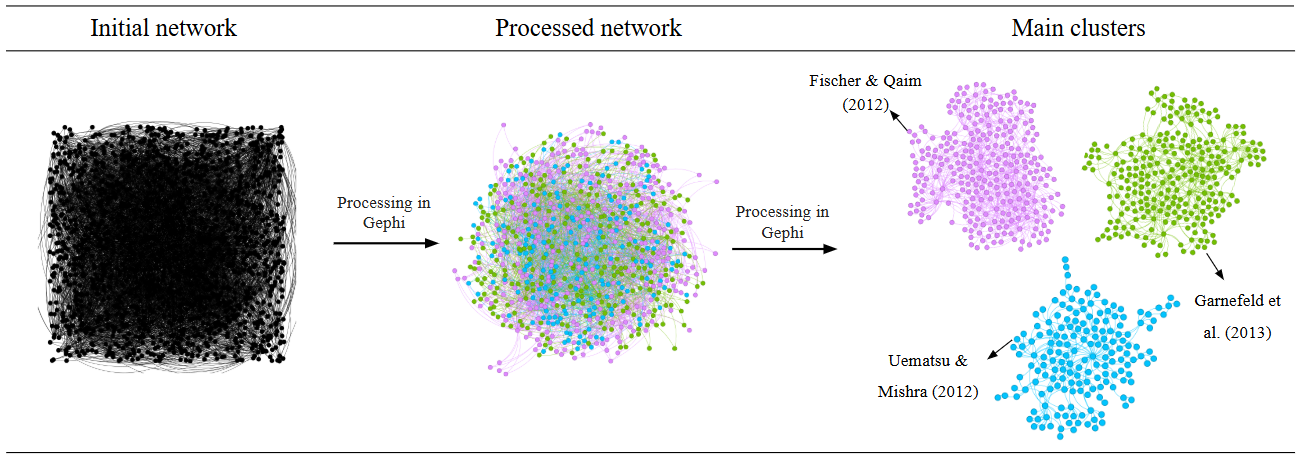
Figura 7. Procesamiento de la red y los clústeres
Source: Authors’ own work.
Perspective 1: Impact Measurement
Literature within this first perspective focuses on measuring the effects of, for instance, marketing contracts on key outcomes such as income, crop productivity, and food security among small-scale farmers. In this context, studies by
Within the same cluster, other contributions were identified, including those by
Finally, the remaining studies in this group address issues such as the efficiency of marketing channels (
Perspective 2: Consumer Behavior and Business Planning
Research in the second cluster examines the relationship between consumer behavior in real-world settings and business planning. In this context, PSM serves not only to assess customer loyalty in relation to both consumers and competitors, but also to evaluate performance in line with organizational objectives and market dynamics. Together, these factors shape the outcomes of strategic initiatives in a global environment.
More specifically, this body of work highlights gaps in the use of loyalty programs, recommendation systems, and social media as mechanisms to strengthen customer retention (
Another aspect emerging from this cluster is the central role of PSM in data-driven decision-making. By applying this method, organizations are better positioned to make more efficient choices (
Perspective 3: Effect Evaluation
Studies in the third cluster centered on the use of mathematical models, regression analysis, and PSM to evaluate how specific actions or decisions affect key outcomes, such as revenue, efficiency, compliance, and overall business performance. For instance,
A comparable approach is taken by
In general, this research perspective brings together studies that rely on quantitative methods to assess the effects of managerial decisions and related aspects. Beyond the examples above, it also includes work by
4. DISCUSSION
The results of the scientific mapping indicate that research on on PSM in marketing has grown notably in recent years. This is especially evident in countries such as the United States, China, and Germany, which have produced the largest number of publications. Even so, research activity remains highly concentrated in the United States. In fact, this country alone contributes nearly 32 % of the total output, leading both the ranking of the most productive institutions—eight of the top ten are U.S.-based—and the list of journals with the highest number of publications in this field—eight of the top ten are also U.S.-based. Furthermore, the use of Bibliometrix revealed that the United States has the highest level of international collaboration (81 collaborations), reinforcing its central role in this field.
In parallel, the Tree of Science analysis shows that seminal research primarily focused on the theoretical and methodological foundations of PSM. Studies such as those by
Furthermore, the use of Gephi—a software tool for processing co-citation networks—made it possible to identify three main research perspectives, or clusters, within the field of PSM in marketing. The first, primarily oriented toward impact measurement, highlights how PSM functions as a key tool for evaluating, for example, the effectiveness of campaigns and communication channels. The second cluster centers on the analysis of consumer behavior, emphasizing the role of digitalization and digital transformation as important drivers of differentiation and competitiveness. Finally, the third perspective focuses on assessing managerial, commercial, and decision-making outcomes.
Overall, the findings presented in the results section suggest that, in recent years, the scientific community has increasingly turned its attention to exploring the applications and benefits of PSM in marketing. This trend carries practical implications, particularly in areas such as resource optimization, the control of selection bias, and the estimation of causal effects in marketing strategies and campaigns. In addition, future research could further examine how PSM can be integrated into marketing practice to support more evidence-based decision-making and enable more precise segmentation, including the comparison and evaluation of more effective strategies.
5. CONCLUSIONS
The scientometric analysis and the use of tools such as Bibliometrix, Tree of Science, and Gephi provided a comprehensive view of the current state, perspectives, and trends in research in PSM in marketing. This method has proven to be key for impact evaluation, particularly in contexts where random assignment is not feasible. According to the findings, its cross-cutting application in the identified clusters helps reduce selection bias and supports more robust causal inferences in studies of consumer behavior, organizational management, and rural development.
Additionally, the results show a steady increase in scientific output over time, with a marked rise beginning in 2012 and a peak in 2024. This growth reflects sustained academic and research interest, largely driven by leading contributors such as the United States, China, and Germany, which together account for 53% of global production. Such concentration points to strong institutional capacity for knowledge generation in this field, with prominent universities—such as Harvard—and various research centers contributing to the literature.
An analysis of collaboration networks—including those based on the most-cited publications—revealed a high level of interconnection within the field, with the United States emerging as the main global hub for collaboration. Also, the thematic map indicates that the motor themes are largely associated with risk-related marketing and consumer behavior, while niche themes tend to focus on the combination of marketing strategies with information systems.
With regard to the Tree of Science algorithm, its application made it possible to distinguish three key layers of the literature: the methodological foundations of PSM as a causal inference strategy (root), the analysis of multichannel marketing campaigns and behavior on digital platforms (trunk); and recent applications focused on evaluating marketing strategies (leaves). In parallel, the use of Gephi enabled the identification of three main research clusters: the first centers on measuring the economic and social impact of agricultural and commercial contracts; the second examines consumer behavior as a basis for strategic planning; and the third focuses on assessing managerial and commercial outcomes.
Finally, based on the analysis conducted in this study, it can be concluded that PSM—beyond its original applications in the medical and social sciences—is increasingly being adopted as a key tool for evaluating marketing strategies. This methodological expansion underscores its strength as a robust approach to causal inference across a range of research contexts. At the same time, it reflects the growing interest in marketing as a more rigorous, evidence-based discipline that contributes to business decision-making from a scientific perspective.
CONFLICTS OF INTEREST
The authors declare no financial, professional, or personal conflicts of interest that could have inappropriately influenced the results or inter
pretations presented in this study.
AUTHOR CONTRIBUTIONS
All authors made a substantial contribution to the development of this article, as outlined below:
Gabriel Antonio Moyano Londoño: data curation, formal analysis, methodology, writing.
Jhon Edwar Hernández Ocampo: conceptualization, investigation, writing, visualization.
Mario Andrés Pava Idárraga: conceptualization, investigation, writing, visualization.
REFERENCES
- arrow_upward Abdul-Rahaman, A., Issahaku, G., y Ma, W. (2023). Agrifood system participation and production efficiency among smallholder vegetable farmers in Northern Ghana. Agribusiness, 39(3), 812-835. https://doi.org/10.1002/agr.21793
- arrow_upward Adetoyinbo, A., y Otter, V. (2022). Can producer groups improve technical efficiency among artisanal shrimpers in Nigeria? A study accounting for observed and unobserved selectivity. Agricultural and Food Economics, 10(1), art. 10. https://doi.org/10.1186/s40100-022-00214-x
- arrow_upward Adimassu, Z., y Kessler, A. (2015). Impact of the productive safety net program on farmers’ investments in sustainable land management in the Central Rift Valley of Ethiopia. Environmental Development, 16(1-2), 54-62. https://doi.org/10.1016/j.envdev.2015.06.015
- arrow_upward Admassie, A., Abebaw, D., y Woldemichael, A. D. (2009). Impact evaluation of the Ethiopian health services extension programme. Journal of Development Effectiveness, 1(4), 430-449. https://doi.org/10.1080/19439340903375724
- arrow_upward Alzate, P., Moyano Londoño, G. A., Slater Carrasco, J. M., Isaza, G. A., Toro, E. M., y Jaramillo-Garzón, J. A. (2024). Scientific mapping and research perspectives of the vehicle routing problem: An approach from sustainability strategies. Sustainable Futures, 8(3), art. 100390. https://doi.org/10.1016/j.sftr.2024.100390
- arrow_upward Angrist, J. D., y Pischke, J.-S. (2009). Mostly Harmless Econometrics: An Empiricist’s Companion. Princeton University Press.
- arrow_upward Aria, M., y Cuccurullo, C. (2017). bibliometrix: An R-tool for comprehensive science mapping analysis. Journal of Informetrics, 11(4), 959-975. https://doi.org/10.1016/j.joi.2017.08.007
- arrow_upward Arneja, N., y Sharma, C. (2024). Dissecting performance gains from export-induced marketing and technological investments: Revisiting learning by exporting in Indian manufacturing. The Quarterly Review of Economics and Finance, 97(6), art. 101886. https://doi.org/10.1016/j.qref.2024.101886
- arrow_upward Bastian, M., Heymann, S., y Jacomy, M. (2009). Gephi: An Open Source Software for Exploring and Manipulating Networks. Proceedings of the International AAAI Conference on Web and Social Media, 3(1), 361-362. https://doi.org/10.1609/icwsm.v3i1.13937
- arrow_upward Becker, S. O., y Ichino, A. (2002). Estimation of Average Treatment Effects Based on Propensity Scores. The Stata Journal, 2(4), 358-377. https://doi.org/10.1177/1536867X0200200403
- arrow_upward Biggeri, M., Carraro, A., Ciani, F., y Romano, D. (2022). Disentangling the impact of a multiple-component project on SDG dimensions: The case of durum wheat value chain development in Oromia (Ethiopia). World Development, 153(6236), art. 105810. https://doi.org/10.1016/j.worlddev.2021.105810
- arrow_upward Byun, S. Y., Irvin, M. J., y Bell, B. A. (2015). Advanced math course taking: Effects on math achievement and college enrollment. Journal of Experimental Education, 83(4), 439-468. https://doi.org/10.1080/00220973.2014.919570
- arrow_upward Caliendo, M., y Kopeinig, S. (2008). Some practical guidance for the implementation of propensity score matching. Journal of Economic Surveys, 22(1), 31-72. https://doi.org/10.1111/j.1467-6419.2007.00527.x
- arrow_upward Chae, I., Ha, J., y Schweidel, D. A. (2022). Paywall Suspensions and Digital News Subscriptions. Marketing Science, 42(4), 729-745. https://doi.org/10.1287/mksc.2022.1400
- arrow_upward Chi, P. Y., Lee, K. C., y Chang, K. I. (2022). Causal effect of tourist visa exemption schemes on international tourist arrivals. Economic Analysis and Policy, 75, 427-449. https://doi.org/10.1016/j.eap.2022.06.003
- arrow_upward Clavijo, A. (2022). Productividad agraria en Bolivia: evaluación de impacto del crédito y asistencia técnica mediante Propensity Score Matching. ARU Search, 1(1), 135-164. https://www.aru.org.bo/journalaru/index.php/arusearch/article/view/9
- arrow_upward Dagnew, A., Goshu, D., Zemedu, L., y Sileshi, M. (2024). Impact of contract farming participation on the economic efficiency of malt barley farmers in northwestern Ethiopia. Cogent Food & Agriculture, 10(1), art. 2292369. https://doi.org/10.1080/23311932.2023.2292369
- arrow_upward de Haan, E., Kannan, P. K., Verhoef, P. C., y Wiesel, T. (2018). Device Switching in Online Purchasing: Examining the Strategic Contingencies. Journal of Marketing, 82(5), 1-19. https://doi.org/10.1509/jm.17.0113
- arrow_upward Dehejia, R. H., y Wahba, S. (2002). Propensity score-matching methods for nonexperimental causal studies. The Review of Economics and Statistics, 84(1), 151-161. https://doi.org/10.1162/003465302317331982
- arrow_upward Dey, S., y Singh, P. K. (2025). Market participation, market impact and marketing efficiency: an integrated market research on smallholder paddy farmers from Eastern India. Journal of Agribusiness in Developing and Emerging Economies, 15(2), 311-332. https://doi.org/10.1108/jadee-01-2023-0003
- arrow_upward Duque, P., y Díaz, S. (2024). Adopción tecnológica en el sector empresarial: origen, evolución y tendencias de investigación. Revista Universidad y Empresa, 26(46), 1-35. https://doi.org/10.12804/revistas.urosario.edu.co/empresa/a.13129
- arrow_upward Eresso, A. N., y Tefera, Y. D. (2025). Do collective actions reduce household poverty? Evidence from empirical evaluation of farmers cooperatives in East Shewa, Ethiopia. International Journal of Social Economics, 52(5),715-729. https://doi.org/10.1108/ijse-03-2024-0231
- arrow_upward Fischer, E., y Qaim, M. (2012). Linking Smallholders to Markets: Determinants and Impacts of Farmer Collective Action in Kenya. World Development, 40(6), 1255-1268. https://doi.org/10.1016/j.worlddev.2011.11.018
- arrow_upward Fu, A. Z., Christensen, D. B., Hansen, R. A., y Liu, G. G. (2006). Second-generation antidepressant discontinuation and depressive relapse in adult patients with bipolar depression: Results of a retrospective database analysis. Clinical Therapeutics, 28(6), 979-989. https://doi.org/10.1016/j.clinthera.2006.06.011
- arrow_upward Ganewo, Z., Balguda, T., Alemu, A., Mulugeta, M., Legesse, T., Kaske, D., y Ashebir, A. (2022). Are smallholder farmers benefiting from malt barley contract farming engagement in Ethiopia? Agriculture & Food Security, 11(1), art. 58. https://doi.org/10.1186/s40066-022-00396-z
- arrow_upward Garnefeld, I., Eggert, A., Helm, S. V., y Tax, S. S. (2013). Growing Existing Customers’ Revenue Streams through Customer Referral Programs. Journal of Marketing, 77(4), 17-32. https://doi.org/10.1509/jm.11.0423
- arrow_upward Ge, R., Feng, J., Gu, B., y Zhang, P. (2017). Predicting and Deterring Default with Social Media Information in Peer-to-Peer Lending. Journal of Management Information Systems, 34(2), 401-424. https://doi.org/10.1080/07421222.2017.1334472
- arrow_upward Geiger, S., y Kjellberg, H. (2021). Market mash ups: The process of combinatorial market innovation. Journal of Business Research, 124(3), 445-457. https://doi.org/10.1016/j.jbusres.2020.11.010
- arrow_upward Goldfarb, A., Tucker, C., y Wang, Y. (2022). Conducting research in marketing with quasi-experiments. Journal of Marketing, 86(3), 1-20. https://doi.org/10.1177/00222429221082977
- arrow_upward González-Ferriz, F. (2024). La evolución de la disciplina del marketing hasta la versión 5.0. RAN Revista Academia & Negocios, 10(2), 269-279. https://doi.org/10.29393/RAN10-17EDFF10017
- arrow_upward Gómez-Bayona, L., y Arrubla-Zapata, J. P. (2020). Evolución del mercadeo en el sector universitario. Revista Venezolana de Gerencia, 25(89), 159-173. https://doi.org/10.37960/revista.v25i89.31388
- arrow_upward Grönroos, C. (2023). Towards a marketing renaissance: Challenging underlying assumptions. Australasian Marketing Journal, 31(4), 270-278. https://doi.org/10.1177/14413582231172269
- arrow_upward Gubela, R. M., Lessmann, S., y Stöcker, B. (2024). Multiple Treatment Modeling for Target Marketing Campaigns: A Large-Scale Benchmark Study. Information Systems Frontiers, 26(3), 875-898. https://doi.org/10.1007/s10796-022-10283-4
- arrow_upward Haddaway, N. R., Page, M. J., Pritchard, C. C., y McGuinness, L. A. (2022). PRISMA2020: An R package and Shiny app for producing PRISMA 2020-compliant flow diagrams, with interactivity for optimised digital transparency and Open Synthesis. Campbell Systematic Reviews, 18(2), art. e1230. https://doi.org/10.1002/cl2.1230
- arrow_upward Harknett, K. (2006). Does Receiving an Earnings Supplement Affect Union Formation? Estimating Effects for Program Participants Using Propensity Score Matching. Evaluation Review, 30(6), 741-778. https://doi.org/10.1177/0193841X06293411
- arrow_upward He, L., y Meng, T. (2023). How Facial Expressions of Recipients Influence Online Prosocial Behaviors? - Evidence from Big Data Analysis on Tencent Gongyi Platform. Journal of Social Computing, 4(4), 337-356. https://doi.org/10.23919/JSC.2023.0026
- arrow_upward He, Z., y Rao, V. R. (2024). Methods for Causal Inference in Marketing. Foundations and Trends in Marketing, 18(3-4), 176-309. https://doi.org/10.1561/1700000080
- arrow_upward Heckman, J. J., Ichimura, H., y Todd, P. (1998). Matching as an econometric evaluation estimator. The Review of Economic Studies, 65(2), 261-294. https://doi.org/10.1111/1467-937X.00044
- arrow_upward Hernández-Medina, P., Goncalves Hernández, D., y Morales La Paz, L. (2024). Employment and salaries of university graduates: impact evaluation of a financial aid programme by means of propensity score matching. Suma de Negocios, 15(33), 99-110. https://doi.org/10.14349/sumneg/2024.v15.n33.a3
- arrow_upward Hughes, D. A., y Poletti-Hughes, J. (2016). Profitability and Market Value of Orphan Drug Companies: A Retrospective, Propensity-Matched Case-Control Study. PloS One, 11(10), art. e0164681. https://doi.org/10.1371/journal.pone.0164681
- arrow_upward Hu, Z., Feng, Q., Ma, J., y Zheng, S. (2021). Poverty Reduction Effect of New-Type Agricultural Cooperatives: An Empirical Analysis Using Propensity Score Matching and Endogenous Switching Regression Models. Mathematical Problems in Engineering, (1), art. 9949802. https://doi.org/10.1155/2021/9949802
- arrow_upward Ieva, M., Ziliani, C., Gázquez-Abad, J. C., y D’Attoma, I. (2022). I read, therefore I buy? Analyzing the impact of flyer distribution and readership on purchase behaviour. Journal of Retailing and Consumer Services, 64(1), art. 102725. https://doi.org/10.1016/j.jretconser.2021.102725
- arrow_upward Jaramillo Luzuriaga, S. A., y Hurtado Cuenca, C. D. (2021). Las estrategias de marketing y su importancia en las empresas en tiempos de COVID. Espíritu Emprendedor TES, 5(1), 45-68. https://doi.org/10.33970/eetes.v5.n1.2021.234
- arrow_upward Jones, A. S., y Richmond, D. W. (2006). Causal effects of alcoholism on earnings: Estimates from the NLSY. Health Economics, 15(8), 849-871. https://doi.org/10.1002/HEC.1109
- arrow_upward Khan, N., Ray, R. L., Zhang, S., Osabuohien, E., y Ihtisham, M. (2022). Influence of mobile phone and internet technology on income of rural farmers: Evidence from Khyber Pakhtunkhwa Province, Pakistan. Technology in Society, 68, art. 101866. https://doi.org/10.1016/j.techsoc.2022.101866
- arrow_upward Kuang, K., Cui, P., Li, B., Jiang, M., Wang, Y., Wu, F., y Yang, S. (2019). Treatment Effect Estimation via Differentiated Confounder Balancing and Regression. ACM Transactions on Knowledge Discovery from Data, 14(1), art. 6. https://doi.org/10.1145/3365677
- arrow_upward Kumar, A., Bezawada, R., Rishika, R., Janakiraman, R., y Kannan, P. K. (2016). From Social to Sale: The Effects of Firm-Generated Content in Social Media on Customer Behavior. Journal of Marketing, 80(1), 7-25. https://doi.org/10.1509/jm.14.0249
- arrow_upward Langen, H., y Huber, M. (2023). How causal machine learning can leverage marketing strategies: Assessing and improving the performance of a coupon campaign. PloS One, 18(1), art. e0278937. https://doi.org/10.1371/journal.pone.0278937
- arrow_upward Liang, Y., Bi, W., y Zhang, Y. (2023). Can contract farming improve farmers’ technical efficiency and income? Evidence from beef cattle farmers in China. Frontiers in Sustainable Food Systems, 7, art. 1179423. https://doi.org/10.3389/fsufs.2023.1179423
- arrow_upward Liu, H., y Roehl, W. S. (2025). Do virtual tours really enhance customer satisfaction with physical experiences? A quasi-experimental study on Airbnb. Journal of Hospitality and Tourism Management, 62, 188-195. https://doi.org/10.1016/j.jhtm.2025.01.010
- arrow_upward Liu, M., Min, S., Ma, W., y Liu, T. (2021). The adoption and impact of E-commerce in rural China: Application of an endogenous switching regression model. Journal of Rural Studies, 83(1), 106-116. https://doi.org/10.1016/j.jrurstud.2021.02.021
- arrow_upward Ma, W., y Abdulai, A. (2016). Linking apple farmers to markets: Determinants and impacts of marketing contracts in China. China Agricultural Economic Review, 8(1), 2-21. https://doi.org/10.1108/CAER-04-2015-0035
- arrow_upward Mojo, D., Fischer, C., y Degefa, T. (2017). The determinants and economic impacts of membership in coffee farmer cooperatives: recent evidence from rural Ethiopia. Journal of Rural Studies, 50, 84-94. https://doi.org/10.1016/j.jrurstud.2016.12.010
- arrow_upward Montaguti, E., Neslin, S. A., y Valentini, S. (2015). Can Marketing Campaigns Induce Multichannel Buying and More Profitable Customers? A Field Experiment. Marketing Science, 35(2), 201-340. https://doi.org/10.1287/mksc.2015.0923
- arrow_upward Moyano Londoño, G. A. (2022). Emprendimiento en zonas de post-conflicto: una revisión bibliográfica. Económicas CUC, 44(1), 103-120. https://doi.org/10.17981/econcuc.44.1.2023.Org.4
- arrow_upward Moyano-Londoño, G. A., y Marín-Cardona, P. F. (2024). La perdurabilidad empresarial de los emprendimientos sociales: revisión sistemática y perspectivas de investigación. Tendencias, 25(1), 269-295. https://doi.org/10.22267/rtend.242501.249
- arrow_upward Oberlander, T. F., Warburton, W., Misri, S., Aghajanian, J., y Hertzman, C. (2006). Neonatal outcomes after prenatal exposure to selective serotonin reuptake inhibitor antidepressants and maternal depression using population-based linked health data. Archives of General Psychiatry, 63(8), 898-906. https://doi.org/10.1001/ARCHPSYC.63.8.898
- arrow_upward Ongsakul, V., Chatjuthamard, P., y Jiraporn, P. (2022). Does the market for corporate control impede or promote corporate innovation efficiency? Evidence from research quotient. Finance Research Letters, 46(3), art. 102212. https://doi.org/10.1016/j.frl.2021.102212
- arrow_upward Pan, W., y Bai, H. (2018). Propensity score methods for causal inference: an overview. Behaviormetrika, 45(2), 317-334. https://doi.org/10.1007/s41237-018-0058-8
- arrow_upward Penrod, J. D., Deb, P., Luhrs, C., Dellenbaugh, C., Zhu, C. W., Hochman, T., Maciejewski, M. L., Granieri, E., y Morrison, R. S. (2006). Cost and utilization outcomes of patients receiving hospital-based palliative care consultation. Journal of Palliative Medicine, 9(4), 855-860. https://doi.org/10.1089/JPM.2006.9.855
- arrow_upward Rishika, R., Kumar, A., Janakiraman, R., y Bezawada, R. (2012). The Effect of Customers’ Social Media Participation on Customer Visit Frequency and Profitability: An Empirical Investigation. Information Systems Research, 24(1), 108-127. https://doi.org/10.1287/isre.1120.0460
- arrow_upward Robledo, S., Valencia, L., Zuluaga, M., Echeverri, O. A., y Valencia, J. W. A. (2024). TOSR: Create the Tree of Science from WoS and Scopus. Journal of Scientometric Research, 13(2), 459-465. https://doi.org/10.5530/jscires.13.2.36
- arrow_upward Rosenbaum, P. R., y Rubin, D. B. (1983). The central role of the propensity score in observational studies for causal effects. Biometrika, 70(1), 41-55. https://doi.org/10.1093/biomet/70.1.41
- arrow_upward Rosenbaum, P. R., y Rubin, D. B. (1985). Constructing a control group using multivariate matched sampling methods that incorporate the propensity score. The American Statistician, 39(1), 33-38. https://doi.org/10.2307/2683903
- arrow_upward Rubin, D. B. (1974). Estimating causal effects of treatments in randomized and nonrandomized studies. Journal of Educational Psychology, 66(5), 688-701. https://doi.org/10.1037/h0037350
- arrow_upward Rubin, D. B. (2009). Should observational studies be designed to allow lack of balance in covariate distributions across treatment groups? Statistics in Medicine, 28(9), 1420-1423. https://doi.org/10.1002/sim.3565
- arrow_upward Ruiz, G. A., Robledo Giraldo, S., y Morales, H. H. (2023). Static Code Analysis: A Tree of Science Review. Entre Ciencia e Ingenieria, 17(34), 9-14. https://doi.org/10.31908/19098367.2846
- arrow_upward Sinha, M., Bhandari, A., Priya, S. S., y Kabiraj, S. (2024). Future of Customer Engagement Through Marketing Intelligence. IGI Global.
- arrow_upward Skålén, P., Cova, B., Gummerus, J., y Sihvonen, A. (2022). Marketing como práctica: Un marco y una agenda de investigación para la creación de valor en el marketing. Marketing Theory, 23(2), 185-206. https://doi.org/10.1177/14705931221123949
- arrow_upward Smith, J. A., y Todd, P. E. (2005). Does matching overcome LaLonde’s critique of nonexperimental estimators? Journal of Econometrics, 125(1-2), 305-353. https://doi.org/10.1016/j.jeconom.2004.04.011
- arrow_upward Soullier, G., y Moustier, P. (2018). Impacts of contract farming in domestic grain chains on farmer income and food insecurity. Contrasted evidence from Senegal. Food Policy, 79, 179-198. https://doi.org/10.1016/j.foodpol.2018.07.004
- arrow_upward Stuart, E. A. (2010). Matching methods for causal inference: A review and a look forward. Statistical Science, 25(1), 1-21. https://doi.org/10.1214/09-STS313
- arrow_upward Tsai, M.-H., y Luh, Y.-H. (2023). Group heterogeneity and the economic effect of farmer organisation participation: Empirical evidence from Taiwan. Journal of Agricultural Economics, 74(2), 473-491. https://doi.org/10.1111/1477-9552.12515
- arrow_upward Wager, S., y Athey, S. (2018). Estimation and Inference of Heterogeneous Treatment Effects using Random Forests. Journal of the American Statistical Association, 113(523), 1228-1242. https://doi.org/10.1080/01621459.2017.1319839
- arrow_upward Wang, J. (2021). To use or not to use propensity score matching? Pharmaceutical Statistics, 20(1), 15-24. https://doi.org/10.1002/pst.2051
- arrow_upward Yoganarasimhan, H., Barzegary, E., y Pani, A. (2022). Design and Evaluation of Optimal Free Trials. Management Science, 69(6), 3220-3240. https://doi.org/10.1287/mnsc.2022.4507
- arrow_upward Żyminkowska, K. (2019). Customer Engagement in Theory and Practice: A Marketing Management Perspective. Springer International Publishing.

 Google